
Cognitive Behavioral Therapies and Mindfulness
Your thoughts and behaviors impact your feelings – about yourself, your relationships, and your life. CBT and mindfulness approaches help you identify and challenge unhelpful thoughts, focus on strengths, experiment with new behaviors, and learn mindfulness and acceptance skills.
Cognitive Behavioral Therapy (CBT)
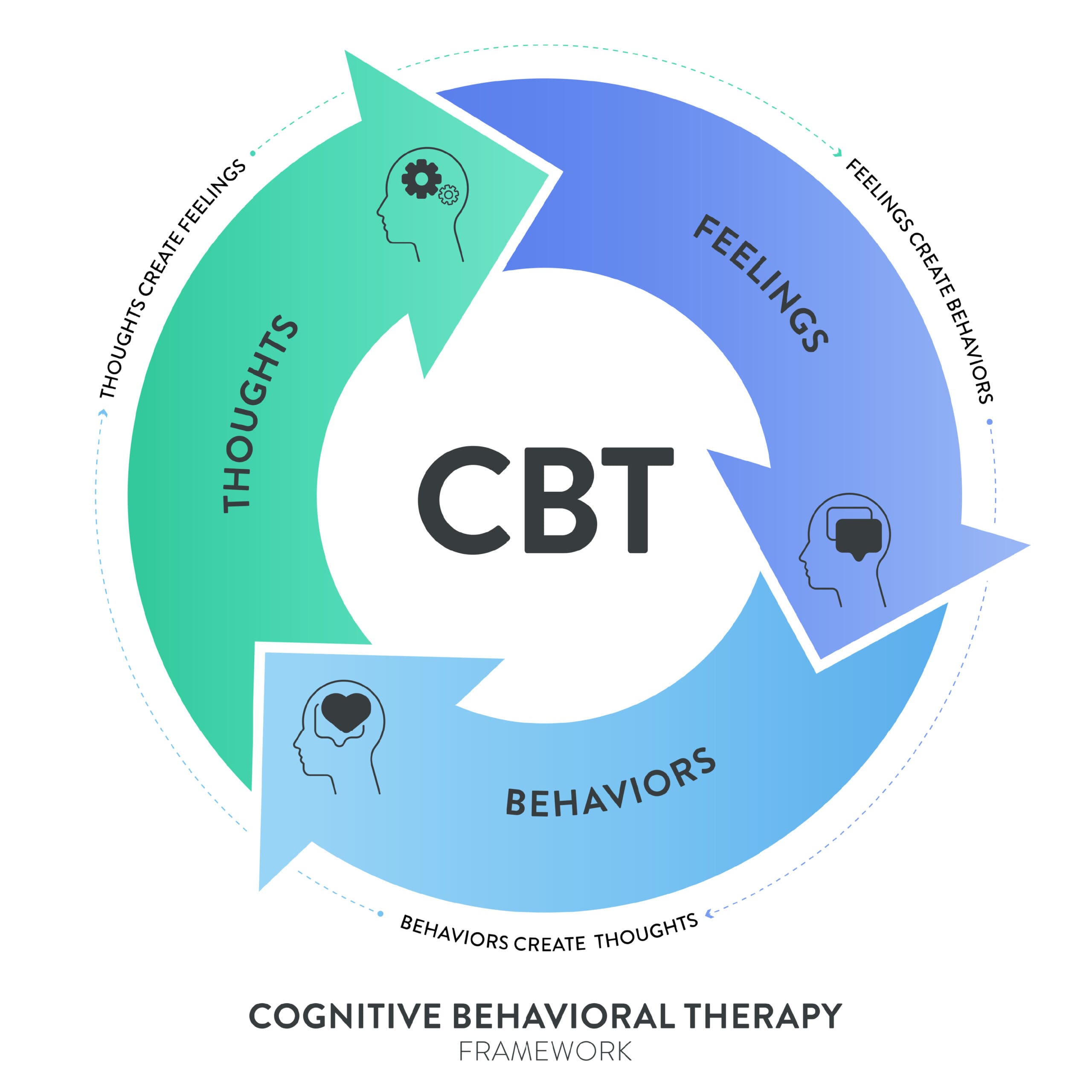
Cognitive Behavioral Therapy (CBT) highlights the impact of thoughts and behaviors on current symptoms, such as anxiety, anger, or depressed mood. This approach supports you in identifying your automatic thoughts, challenging the rationality of assumptions, and practicing new behaviors to create positive change.
Practitioners
 Carolyn Abele, MS, LPC
- Savannah Aykol, Counseling Intern
- Elizabeth Campbell, MS, LPCMS, LPC, RPT-S
- Victoria Leister, M.S., LAPC
- DeAnna Meckling-Peruto, MS, LPC, NCC
- Jen Perry, MSEd, MA, LPC
- Lindsay Roznowski, MA, LPC
- Olivia Ruffin, MS, NCC, LPC
- Sarah Taylor, MS, NCC
- Lucas Valitski, MS
- Elizabeth Venart, M.Ed., NCC, LPC
- Julia Weimer, MS, LPC













Exposure and Response Prevention (ERP)
Exposure and Response Prevention (ERP) is considered to be the gold standard in the treatment of obsessive-compulsive disorder (OCD). With OCD, a person’s worries and distressing thoughts become so overwhelming that they begin to impact daily functioning. ERP is a behavioral therapy that gradually exposes people to situations designed to provoke their obsessions in a safe environment. This process helps clients confront their fears or anxieties in a controlled and gradual manner, leading to an eventual reduction in symptoms.
Practitioners
Acceptance and Commitment Therapy (ACT)
Acceptance and Commitment Therapy (ACT) is a mindfulness-based therapy approach developed by Steven C. Hayes. Like CBT, this model acknowledges that negative thinking can contribute to your suffering. However, unlike CBT, this model suggests that you notice, accept, and detach from your negative thoughts and feelings, rather than try to eliminate or control them. ACT also encourages you to focus on your values – what you find important and meaningful — and to take concrete actions based on those values.

Dialectical Behavioral Therapy (DBT)
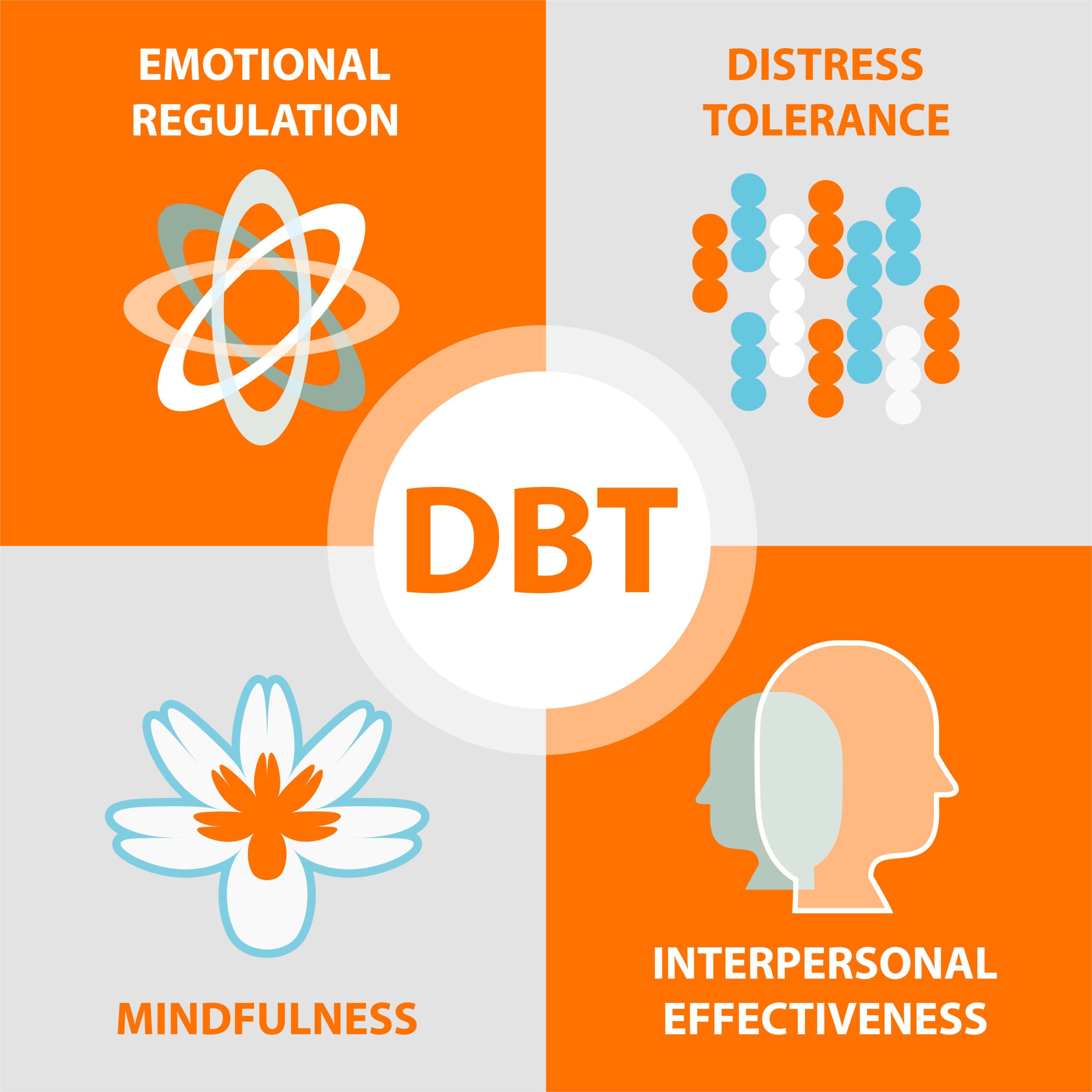
DBT is a type of cognitive behavioral therapy that aims to identify and change negative thinking patterns and encourage the development and practice of new, positive behaviors. It was developed initially to help treat people struggling with personality disorders, especially Borderline Personality Disorder. It provides concrete tools, such as mindfulness, boundary-setting, and healthy distraction, to support you in accepting yourself and tolerating distress.
Solution-Focused Therapy
Solution-Focused Therapy is an evidence-based practice of talk therapy for people seeking immediate change. Sometimes we may not be afforded the time and the knowledge to know why a problem occurred; however, there is current pressure and demand to solve it. When our problems loom large in our lives, we can sometimes lose sight of the strengths that have helped us to persevere in the past.
This approach recognizes that no problem exists 100% of the time and builds on positive exceptions and strengths that naturally occur in client’s lives.


Mindfulness and Compassion-based Approaches
Mindfulness-based therapy approaches help people become more aware of the present moment, including their feelings, thoughts, and reactions. Practices include meditation and a wide range of practices that invite people to slow down and develop greater calm and curiosity. Compassion practices are drawn from psychologists Tara Brach and Kristin Neff, who integrate buddhist wisdom with meditation-inspired healing.

Solution-focused Relationship Counseling
Many couples benefit from relationship counseling. It provides a safe and supportive space in which ongoing conflicts can be addressed and new skills learned. Participating in couples counseling is related to happier, longer, and more satisfying long-term relationships. Counseling supports couples to learn ways your family-of-origin influenced your current patterns and expectations, remember what you love about each other, focus on what works, improve communication skills, and develop concrete plans for greater intimacy.


Non-violent Communication (NVC)
Nonviolent Communication (NVC) is an interactive process for compassionate communication and conflict resolution. It was developed by Marshall Rosenberg and can be used by couples, families, and workplaces to foster empathy, understanding, and mutual respect. The practice focuses on uncovering the needs behind emotions, thereby pivoting the focus away from “right” and “wrong” to a deeper exploration of how both people (or all parties involved) can get their needs met. NVC focuses specifically on the language people use to communicate, highlighting the need to shift away from judgmental expressions into the authentic sharing of feelings and needs.